
Early coastal beacons
Fire, height, and a visible warning
Before standardized towers, elevated beacons and local knowledge marked dangerous approaches in limited conditions.
cartographic vignette
Northern Coast Historical Framework
A broad interpretive guide to how coastal warning methods, built towers, keeper labor, technological change, automation, and preservation developed across the northern shoreline.
Early coastal beacons
Before standardized towers, elevated beacons and local knowledge marked dangerous approaches in limited conditions.
cartographic vignette
Nineteenth-century expansion
Masonry stations established durable points of light where trade routes and hazardous headlands demanded clearer guidance.
tower silhouette
Lens and lamp refinement
Improved optics and fuel systems concentrated light while increasing the precision of daily maintenance.
lens detail
Fog-signal era
Signal houses and horns extended warning beyond visibility when northern fog erased the horizon.
signal-house vignette
Automation and transition
Automated equipment reduced permanent crews, transforming stations that had long been homes as well as workplaces.
control mechanism
Preservation today
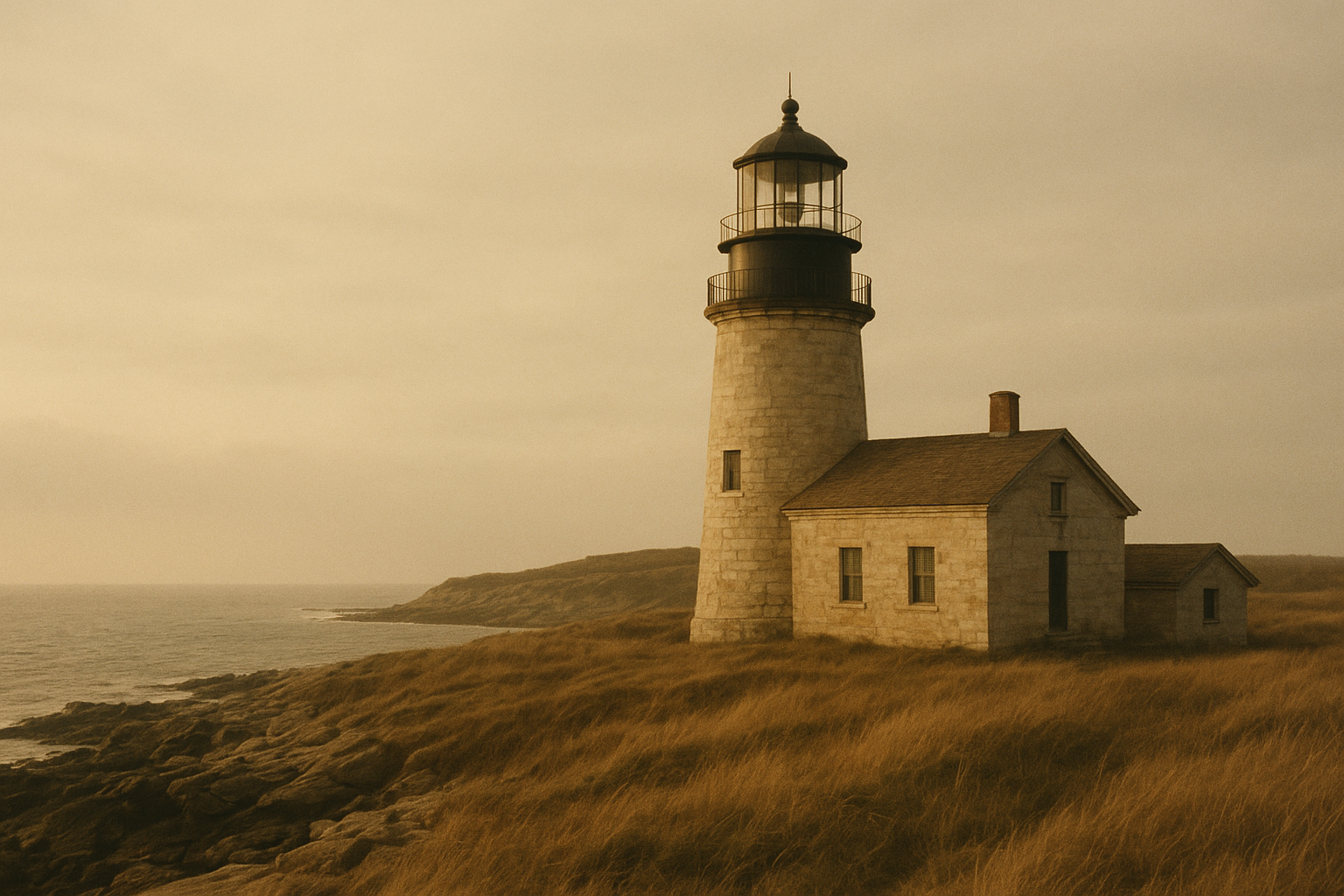
Surviving towers, dwellings, and records now support education, conservation, and continued historical study.
preserved tower photograph
Note: Dates and developments varied by location and lighthouse authority; this timeline provides a regional interpretive overview rather than a single uniform sequence.